Your joyful inspirations — letter boards, dry-erase and tidy tables for home and the classroom
Joy, the family and the round table
Gamenote began with a white cat who likes knocking things off tables. It grew into learning tools that deserve to stay on them.
Every box carries the same face: a white cat in round glasses. That’s Joy. She is the reason for the name on the lid, the colours on the boards and the rule that nothing boring gets to stay on the table.
A cat called Joy
Joy eats, sleeps and rubs against legs. She also tips over cups, bats at crayons and teases the baby until the whole kitchen is laughing. Every family has a Joy; ours just happens to wear round glasses in our logo.
An illustrator at the kitchen table
Joy’s human is an illustrator and designer who spent evenings with the baby at the same table the cat kept raiding. Those evenings became the idea: learning tools that feel like play and look like they belong in a happy home.
The first boards
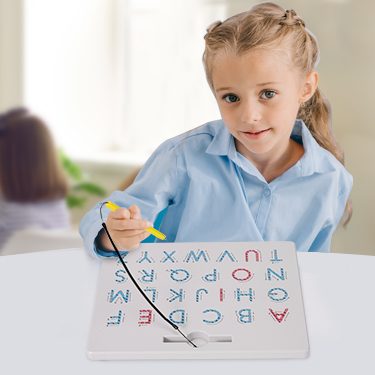
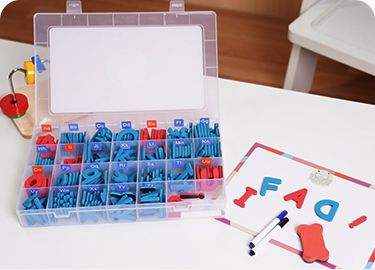
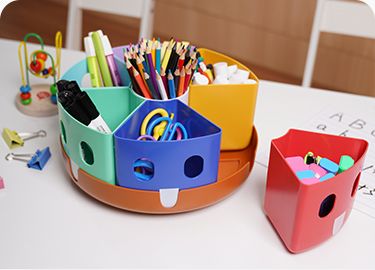
Letter kits in bright foam, tracing boards with beads that click, and pencil caddies that spin. Every piece has to win over the harshest critic we know — a child who would rather be doing something else.
A bigger table
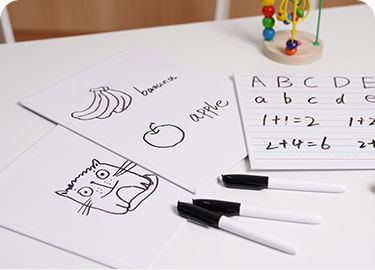
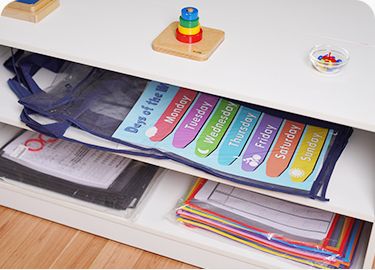
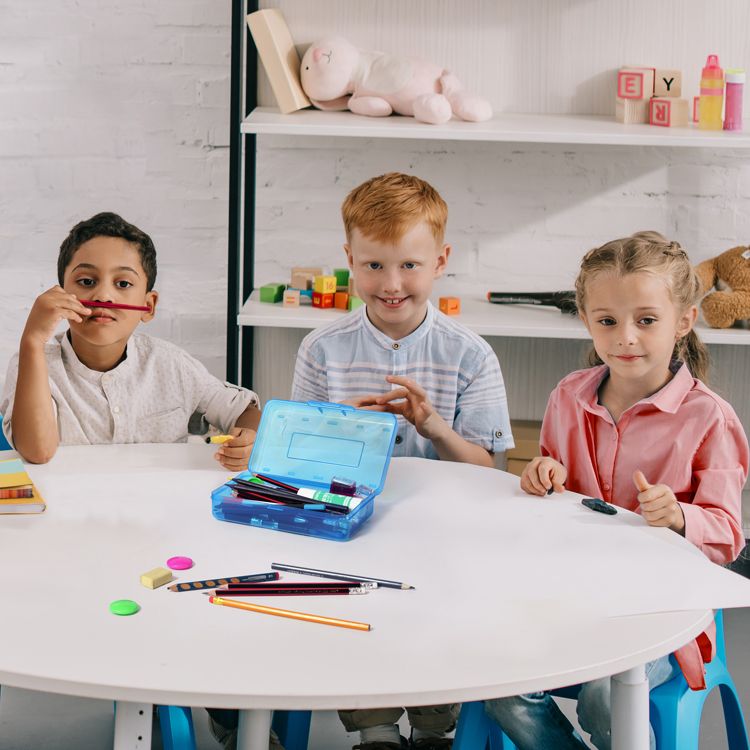
Parents told teachers, teachers told other teachers. Today Gamenote supplies homeschool corners and whole classrooms with boards, pockets, storage and art-table tools — still with a cat on every box.
What every Gamenote piece must do
- Be safe in small handsRounded edges, sealed beads, full magnet backs, no loose parts we can design out.
- Teach something by itselfStroke arrows, red vowels, colour-coded cards — the lesson should be built in.
- Be easy to put awayA case, a groove, a ring or a lid. If tidy-up is hard, the piece isn’t finished.
- Make someone smileIf it doesn’t, Joy knocks it off the table. That’s the rule.